.webp)
What Beverage Distributors Look for in New Supplier Partners

For breweries, cideries, wineries, distilleries, importers, and non-alcoholic beverage companies looking to enter Washington State, selecting the right distribution partner is one of the most important growth decisions they will make. A strong distributor relationship can accelerate brand awareness, increase market penetration, and create long-term opportunities throughout Western Washington. The wrong fit can lead to misaligned expectations, limited sales support, and missed opportunities.
At River Barrel Distributing, we take a deliberate approach to building our portfolio. Rather than pursuing growth for growth's sake, we focus on long-term partnerships with brands we genuinely believe in and can actively support throughout Western Washington. While every opportunity is unique, there are several characteristics we consistently look for when evaluating new supplier partnerships.
A Clear Brand Identity
The most successful brands know exactly who they are. That doesn't mean every brand needs to target the same consumer or fit into the same category. In fact, many of the strongest brands in today's beverage market succeed because they stand apart. What matters is clarity. We look for brands that can clearly answer questions such as:
What makes your product different?
Who is your ideal customer?
Why does your brand exist?
What problem are you solving for retailers and consumers?
Strong brand identity creates consistency across packaging, messaging, sales presentations, and consumer engagement.
Quality Comes First
Before discussing sales projections, market opportunities, or growth plans, the product itself must stand on its own. Whether we're evaluating a craft brewery, cider producer, importer, winery, or non-alcoholic beverage company, quality remains the foundation of every successful partnership. Consumers have more choices than ever before. Long-term success depends on delivering products that earn repeat purchases and build loyalty. A distributor can help create opportunities, but the product must ultimately keep customers coming back.
Packaging That Works in Today's Market
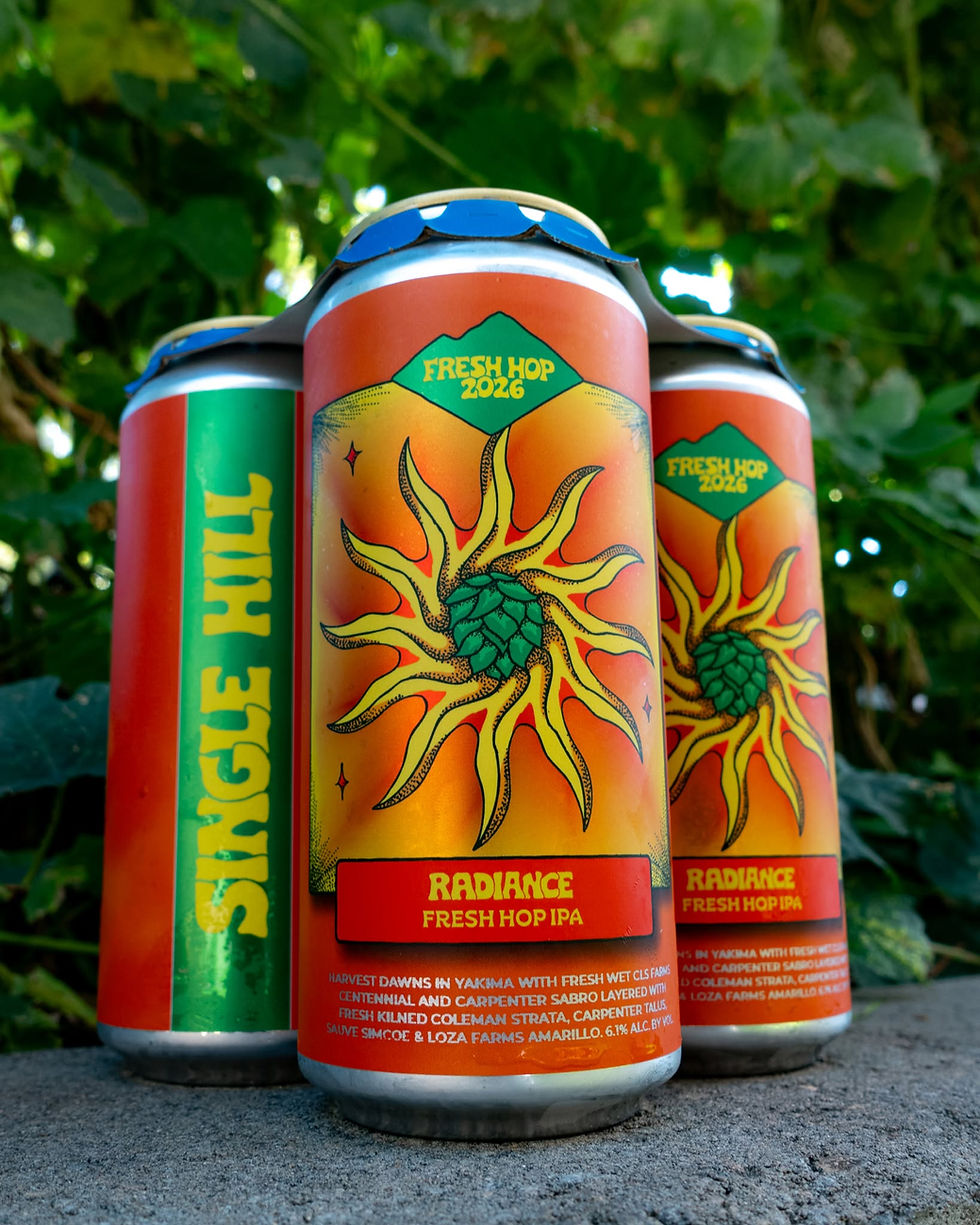
Packaging plays a critical role in how brands are perceived by both buyers and consumers.
That doesn't necessarily mean expensive or flashy packaging. It means packaging that communicates clearly and effectively. We often look for:
Strong shelf presence
Clear brand recognition
Consistent design language
Easy-to-understand product information
Packaging formats that align with market demand
In many cases, packaging is the first opportunity a brand has to tell its story.
Market Fit Matters
Not every great brand is the right fit for every market. When evaluating opportunities, we consider how a brand complements both the existing River Barrel portfolio and the Western Washington marketplace. Questions we ask include:
Is there consumer demand for this category?
Does the brand fill a gap in the market?
Will retailers understand where it belongs?
Does it offer something unique?
Can it compete effectively within its segment?
The goal is not simply adding more brands. The goal is adding brands that create value for retailers, consumers, and supplier partners alike.
A Commitment to Partnership
The strongest supplier relationships are collaborative. Successful brands understand that distribution is not a transactional relationship. It works best when both sides are actively engaged in building the business. That can include:
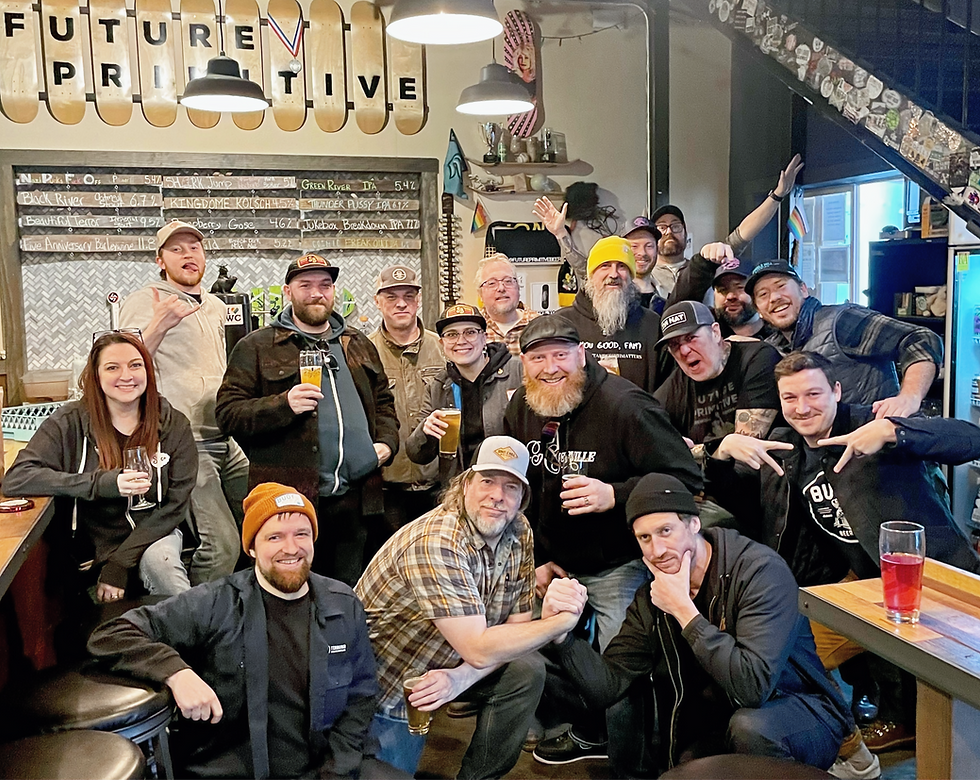
Market visits and ride-alongs
Staff training
Sampling opportunities
Promotional planning
Retail introductions
Open communication
The brands that consistently perform best are often the ones that remain actively involved in their markets.
Long-Term Thinking Wins
The beverage industry is full of trends, but sustainable growth rarely happens overnight.
We value partners who take a long-term view of market development and understand that building a brand requires consistency, patience, and execution. The most successful partnerships are built over years, not quarters. That approach creates stronger retailer relationships, better market penetration, and more durable growth throughout Washington State.
Questions Every Brand Should Ask a Potential Distributor
Whether you're evaluating River Barrel or another distributor, asking the right questions can help determine whether the partnership is a good fit. Consider asking:
How often does your sales team visit accounts?
Consistent market coverage is critical to long-term brand growth.
What categories are your strengths?
Some distributors excel in beer, others in wine, spirits, imports, or non-alcoholic beverages.
How large is your portfolio?
A portfolio should be large enough to create opportunities but focused enough that brands receive meaningful attention.
What support do you provide supplier partners?
Ask about ride-alongs, market visits, staff training, promotions, and sales planning.
What does success look like during the first year?
A good distributor should have realistic expectations and a clear strategy for market development.
Why Independent Distribution Still Matters
The beverage landscape continues to evolve, but one thing remains constant: relationships matter. As an independent distributor, River Barrel focuses on maintaining direct access between suppliers, sales teams, retailers, and company leadership. That structure allows us to remain responsive, collaborative, and adaptable as markets change. We intentionally build a curated portfolio because we believe supplier partners deserve attention, communication, and meaningful support.
Building Brands in Western Washington
Western Washington remains one of the most dynamic craft beverage markets in the country. From Seattle and Bellevue to Tacoma, Olympia, Everett, and beyond, successful market development requires local relationships, consistent execution, and a distributor committed to long-term growth. The right partnership is more than a distribution agreement. It's a shared commitment to building something meaningful together.
Frequently Asked Questions About Beverage Distribution
How do I find a beverage distributor in Washington State?
Start by evaluating distributors that align with your category, growth goals, and target accounts. Consider portfolio fit, market coverage, supplier support, and long-term partnership philosophy.
What should breweries look for in a distributor?
Breweries should evaluate market coverage, sales support, retailer relationships, communication, portfolio focus, and the distributor's ability to support long-term growth.
What makes a good distributor partnership?
Strong distributor partnerships are built on communication, mutual expectations, quality products, and shared commitment to market development.
How do beverage brands enter the Washington market?
Most brands enter Washington through a distribution partner that can provide sales support, account relationships, logistics, and ongoing market development.
What questions should I ask a distributor before signing?
Ask about market coverage, sales frequency, supplier support, portfolio size, account relationships, and expectations for year-one success.
Learn More
Interested in learning more about distribution opportunities in Western Washington?
Explore our Supplier Partnerships page to learn more about how River Barrel works with breweries, cideries, wineries, importers, distilleries, and non-alcoholic beverage brands.